By Doug Parker
May 12, 2026
Wood rot destroys structural integrity, creates safety hazards, and requires expensive repairs that early detection and moisture control would prevent completely. Understanding what causes wood moisture and recognizing when decay requires professional intervention helps homeowners protect properties from the progressive damage rot creates. The difference between minor repairs and structural rebuilding often comes down to how quickly moisture problems receive attention, preventing the establishment. Learning what conditions promote wood decay empowers property owners to identify problems before extensive damage necessitates major reconstruction rather than simple repairs.
Understanding How Moisture Creates Conditions for Wood Rot
According to the USDA Forest Service, approximately 10% of the annual timber cut in the United States is used to replace decayed wood. Wood naturally absorbs moisture from air and direct water contact, with decay fungi requiring moisture content exceeding 20% for growth and reproduction. Dry wood remains immune to rot regardless of fungal spore presence, as decay organisms cannot survive without adequate moisture supporting biological activity. Temperature ranges between 70-90 degrees Fahrenheit prove ideal for fungal growth, with moisture plus warmth creating perfect conditions for rapid decay. Poor ventilation traps moisture, allowing wood to remain wet longer, preventing the drying that would stop fungal growth before significant damage occurs. Professional wood rot repair addresses moisture sources first, as replacing rotted wood proves futile without eliminating conditions that caused original decay problems. The moisture control they provide through proper diagnosis prevents recurrence, ensuring repairs last rather than just temporarily replacing damaged materials rotting again.
Identifying Roof Leaks as Primary Moisture Sources
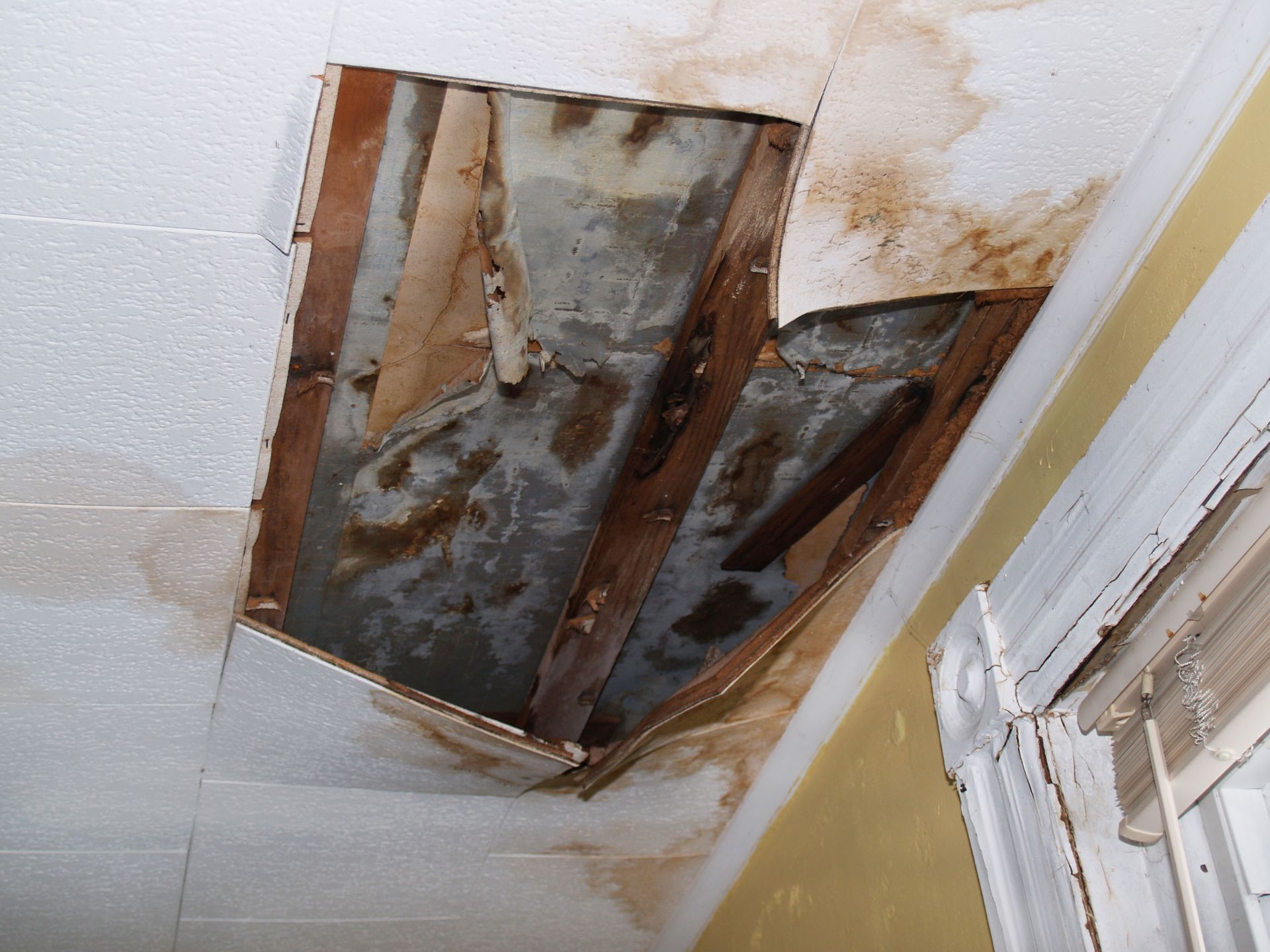
Roof leaks allow water to enter attics and walls, creating hidden moisture that rots framing, sheathing, and trim before visible damage alerts homeowners. Missing shingles, damaged flashing, or worn valleys create entry points where water penetrates during rain, soaking insulation and wood throughout infiltration. Slow leaks prove particularly insidious, as limited water quantities don't create obvious interior damage until rot advances significantly in hidden areas. Regular roof inspections identify problems before leaks develop, preventing the moisture intrusion that wood rot creates when water enters structures undetected. Emergency wood rot repair becomes necessary when roof leaks allow prolonged moisture exposure, rotting structural members that require replacement before damage spreads. The leak identification they provide through inspection reveals sources, allowing repairs to stop moisture before rot progresses, requiring extensive structural work throughout homes.
Recognizing Plumbing Leaks Contributing to Decay
Leaking pipes, fixtures, and appliances create constant moisture that wood rot requires, saturating framing and flooring with water, supporting fungal growth. Slow drips behind walls or under floors go unnoticed for months, allowing rot to establish before discovery, when damage becomes obvious through failures. Toilets with faulty wax rings leak during flushing, rotting subfloors, and replacement becomes necessary when deterioration weakens structures supporting fixtures and finishes. Supply line leaks from failed connections or corroded pipes saturate surrounding wood, creating rot that spreads beyond immediate leak areas through moisture migration. Plumbing-related wood rot repair requires fixing leaks first, then replacing all damaged wood, ensuring structural integrity is restored before rot spreads further. The leak repairs they complete alongside rot remediation prevent recurrence, addressing root causes rather than just replacing damaged materials without source correction.
Understanding How Poor Drainage Affects Foundations
Inadequate site drainage allows water pooling near foundations, creating moisture that sill plates and rim joists absorb causing decay in critical areas. Gutters directing water toward foundations rather than away saturate soil, maintaining constant moisture against wood creating perfect rot conditions year-round continuously. Negative grading where ground slopes toward houses channels water to foundations, keeping wood wet despite properly functioning gutters protecting roofs from leaks. French drains, proper grading, and functional gutters prove essential for directing water away, preventing foundation moisture that rot requires for establishment. Foundation wood rot repair includes improving drainage alongside wood replacement, ensuring water diverts away preventing moisture recurrence that caused original damage problems. The drainage improvements they implement through proper grading prevent future rot, protecting repairs from the moisture that inadequate water management creates.
Identifying Condensation as Hidden Moisture Source
Condensation forms when warm, humid air contacts cold surfaces, creating moisture that wood absorbs despite no obvious water leaks existing anywhere. Poorly insulated walls allow condensation to form on cold sheathing, rotting framing from the inside out without visible exterior or interior damage indicators. Bathrooms without proper ventilation create humid conditions that condensation promotes, rotting walls and ceilings from moisture that exhaust fans would eliminate. Crawl spaces lacking vapor barriers allow ground moisture to evaporate, condensing on cool joists, creating rot that ventilation and barriers prevent effectively. Condensation-caused rot repair requires improving ventilation and insulation, eliminating conditions creating moisture, rather than just replacing damaged wood without addressing the causes. The ventilation solutions they provide alongside repairs prevent condensation recurrence, ensuring wood remains dry enough that decay cannot reestablish in structures.
Recognizing When Soft Wood Indicates Decay
Wood feeling soft, spongy, or crumbly when pressed indicates advanced rot requiring immediate professional evaluation and likely replacement of affected materials. Probing with screwdrivers reveals decay depth, with penetration indicating structural compromise that visual inspection alone cannot assess accurately or completely. Early decay might appear sound visually despite internal deterioration weakening wood structurally, making physical testing essential for accurate damage assessment and planning. Delaying repairs when soft wood appears allows rot to spread to sound materials, increasing repair costs dramatically as damage areas expand progressively. Immediate wood rot repair proves essential when soft wood indicates decay, preventing spread that delays allow as fungi colonize additional wood systematically. The prompt intervention they provide through quick response limits the extent of damage, minimizing repair costs through early action, preventing extensive replacements later.
Understanding When Discoloration Signals Problems
Dark stains, white fungal growth, or unusual discoloration on wood surfaces often indicate moisture problems and possible decay requiring investigation. Surface mold differs from rot but indicates moisture conditions that decay will exploit, making any fungal growth worth professional evaluation and treatment. Brown crumbly rot or white stringy decay types require different treatments, with professionals identifying which fungi types cause damage, affecting repair approaches. Discoloration alone doesn't guarantee rot, but investigation proves worthwhile as visible changes often signal hidden problems requiring professional assessment and intervention. Preventive wood rot repair when discoloration appears catches problems early, allowing simple fixes before extensive decay develops, requiring major structural replacements throughout areas. The early intervention they provide when discoloration first appears prevents the extensive damage that delayed attention allows as decay progresses unaddressed.
Identifying When Structural Sagging Indicates Decay
Sagging floors, drooping rooflines, or bowing walls often indicate advanced rot compromising structural members that loads depend upon for support and stability. Weight-bearing wood losing strength from decay creates progressive failures, with damage worsening as compromised members carry loads they no longer adequately support. Structural sagging requires immediate professional evaluation, as collapse risks exist when rot weakens critical supports beyond their capacity for the loads they carry. Temporary supports during repairs prevent collapse, allowing safe rot removal and member replacement, restoring structural integrity without failures occurring during work. Structural rot repair addresses load-bearing members, installing temporary supports, removing decay, and installing properly sized replacements, restoring capacity and safety. The structural expertise they bring through proper support and sizing ensures repairs safely restore the strength that decay compromised in critical members.
Understanding what causes wood moisture and recognizing when professional rot repair becomes necessary helps homeowners protect properties from progressive decay damage. The moisture control, proper materials, and complete damage removal that professionals provide ensure repairs last rather than just temporarily addressing symptoms. Making informed decisions about wood rot repair ensures structures receive expert attention that safety and longevity require when decay compromises integrity. Early intervention when problems first appear proves far less expensive than delaying until extensive damage necessitates major reconstruction throughout affected areas. Whether you need floor installations, siding installation, bathroom remodeling, ceiling fan installation, kitchen remodeling, plumbing, plumbing repairs, tile installation, door painting, repair and maintenance, fence painting, or siding repair, House Doctors Handyman Service Co. offers 100% satisfaction guaranteed, provides discount coupons, and includes a one-year labor warranty. For more information, contact us today!