By Doug Parker
July 22, 2026
A new deck can transform an outdoor living space into a comfortable area for entertaining, relaxing, and spending time with family. However, one of the biggest decisions homeowners face is choosing between traditional wood and modern composite decking materials. While both options offer unique advantages, selecting the right one depends on your budget, maintenance expectations, lifestyle, and long-term goals. Understanding the strengths and limitations of each material helps ensure your investment delivers years of enjoyment while reducing the likelihood of premature wear that could eventually require deck repair.
Homeowners also consider the financial value of a new deck when planning their project. According to Ruby Home, a wood deck can return approximately 95% of its cost in added home value, making it one of the strongest outdoor improvement investments available. Although composite decking offers different long-term advantages, comparing both materials carefully allows you to choose the option that best matches your property's needs and your expectations for maintenance, appearance, and durability.
Material Characteristics That Influence Performance
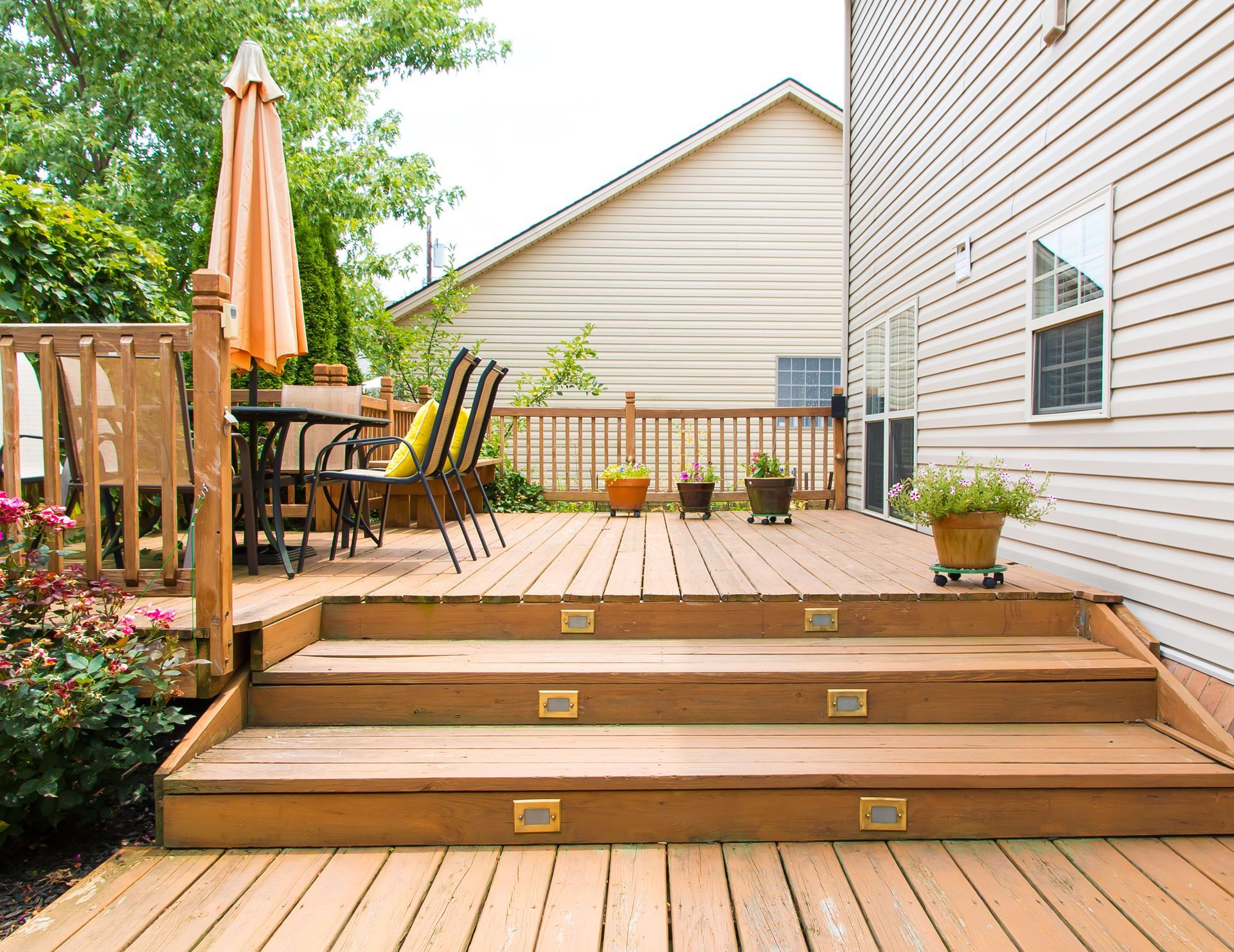
Wood has remained a popular decking material for decades because of its natural beauty and timeless appeal. Pressure-treated lumber, cedar, and redwood each offer distinctive grain patterns and warm colors that many homeowners appreciate. Wood can also be stained or painted in numerous finishes, allowing owners to customize the appearance as their preferences change over time.
Composite decking combines recycled wood fibers with durable plastics to create boards that resist many of the issues associated with traditional lumber. Manufacturers produce composite boards in numerous colors and textures that closely resemble natural wood while offering greater consistency from board to board. Because the material is engineered, homeowners often enjoy a uniform appearance without many of the natural imperfections found in lumber.
The structural performance of each material also deserves careful consideration before construction begins. Wood expands, contracts, and weathers naturally as environmental conditions change throughout the seasons. Composite materials still react to temperature changes, but they generally resist splitting, cracking, and insect damage more effectively, reducing the frequency of maintenance and lowering the chances that significant deck repair will become necessary in the early years of ownership.
Climate plays an important role in determining which material performs best over time. Homes located in areas with frequent rainfall, high humidity, or intense sunlight may experience faster deterioration of untreated or poorly maintained wood surfaces. Composite decking often performs well under these conditions because its protective composition helps minimize moisture absorption and fading.
Maintenance Considerations That Affect Long-Term Value
Routine maintenance is one of the largest differences between wood and composite decking. Wood requires periodic cleaning, staining, sealing, and inspections to preserve its appearance and protect it from moisture damage. Homeowners who enjoy maintaining their property may appreciate the opportunity to refresh the finish, while others may find the upkeep demanding over many years.
Composite decking typically requires less ongoing maintenance than wood because it does not need regular staining or sealing. Most manufacturers recommend occasional cleaning with mild soap and water to remove dirt, pollen, and surface debris. Although composite products simplify maintenance, routine inspections remain important because loose fasteners, railing components, or structural framing may still require attention and occasional deck repair.
Wood decks are more vulnerable to problems caused by prolonged moisture exposure if maintenance is neglected. Rot, mildew, insect activity, and warped boards can develop gradually when protective finishes wear away. Catching these issues early allows homeowners to address isolated damage before larger portions of the deck require replacement.
Composite decking offers strong resistance to many common environmental threats, but it is not entirely maintenance-free. Surface scratches, stains from certain materials, and accumulated debris between deck boards can still affect appearance and drainage. Following the manufacturer's care recommendations helps preserve both the deck's performance and its visual appeal for many years.
Durability Factors That Impact Everyday Use
Durability often becomes the deciding factor for homeowners planning to remain in their homes for many years. A well-maintained wood deck can provide decades of reliable service, but its lifespan depends heavily on regular care and environmental conditions. Neglecting routine inspections or maintenance may shorten its usable life considerably.
Composite decking is engineered to withstand everyday wear from foot traffic, outdoor furniture, pets, and changing weather conditions. Many products resist fading, staining, splintering, and insect damage better than traditional lumber, making them attractive for busy households. While no decking material is completely immune to damage, composite boards often maintain their appearance with less effort over time.
The structural framing beneath the deck deserves just as much attention as the surface boards. Moisture, shifting soil, and aging fasteners can affect joists, beams, and support posts regardless of the decking material installed above them. Periodic inspections help identify developing concerns before they require extensive deck repair or compromise the deck's overall safety.
Safety should remain a priority throughout the life of any deck. Loose railings, unstable stairs, protruding fasteners, or deteriorated structural components create hazards that require immediate deck repair. Addressing these issues early protects everyone using the outdoor space while preserving the integrity of the overall structure.
Financial Decisions That Support Long-Term Satisfaction
Initial project cost often influences the choice between wood and composite decking. Pressure-treated lumber generally has a lower upfront price, making it appealing for homeowners working within a limited budget. However, future maintenance expenses should also be included when comparing the total cost of ownership.
Composite decking typically requires a larger initial investment, but lower maintenance costs may offset part of that difference over time. Homeowners who prefer spending less time on annual upkeep often find value in the reduced need for staining, sealing, and board replacement. Evaluating both immediate expenses and long-term ownership costs provides a more complete picture before making a final decision.
Appearance preferences also contribute to overall satisfaction with a completed deck. Some homeowners strongly prefer the authentic grain patterns and natural aging characteristics of real wood, while others appreciate the clean, consistent appearance of composite materials. Choosing the option that aligns with your aesthetic goals helps ensure lasting enjoyment of your outdoor living space.
Professional installation adds value regardless of the material selected. Experienced contractors understand structural requirements, local building codes, drainage considerations, and manufacturer installation guidelines that influence long-term performance. Proper construction also reduces the likelihood of avoidable issues that could eventually lead to costly deck repair, allowing homeowners to enjoy their investment with greater confidence.
Professional guidance continues to provide value even after construction is complete. Routine inspections can identify loose hardware, minor surface damage, or drainage concerns before they escalate into significant structural problems. Whether your deck is built from wood or composite materials, proactive maintenance helps maximize its lifespan while reducing the need for unexpected deck repair.
Choosing between wood and composite decking ultimately depends on your priorities, budget, maintenance preferences, and long-term plans for your home. Wood offers timeless beauty and excellent resale value, while composite provides impressive durability and lower maintenance requirements for many homeowners. By carefully weighing the benefits of each material and maintaining your investment properly, you can enjoy an attractive, functional outdoor space for years while minimizing the need for
deck repair.
At House Doctors Handyman Service Co, we help homeowners build, maintain, and improve outdoor living spaces with dependable craftsmanship and personalized service. We are committed to helping you choose the right decking materials and delivering results that match your vision and your budget. Contact us today, and let us help you create a beautiful deck that your family will enjoy for many years.