By Doug Parker
February 3, 2026
Deciding to remodel your home is both exciting and complex. A renovation can dramatically improve comfort, functionality, and long-term value, but it also requires careful planning and informed decision-making. From selecting the right professionals to understanding financial implications, every choice you make can influence the outcome of the project. Before moving forward, it’s important to evaluate the major factors that shape a successful renovation. This article explores the most important considerations to keep in mind before investing in a home remodel, with special attention to how a professional remodeling service fits into the process.
How to Choose the Right Remodeling Service
Selecting the right remodeling service is one of the most critical decisions you will make during your renovation journey. The company you hire will influence everything from project timelines to workmanship quality and overall satisfaction. A reputable remodeling service should demonstrate a proven track record of completed projects similar to yours, along with transparent communication from the very beginning. This early clarity helps set realistic expectations and establishes a strong working relationship. It also allows homeowners to feel confident as plans move from concept to construction.
Experience matters, but so does specialization. Some contractors focus primarily on kitchens, while others excel in whole-home renovations or additions. Reviewing portfolios, reading customer testimonials, and verifying licensing and insurance are all essential steps. A reliable remodeling service should also be willing to provide detailed written estimates and clear contracts that outline scope, materials, timelines, and payment schedules. These details protect both parties and reduce the likelihood of misunderstandings as the project progresses.
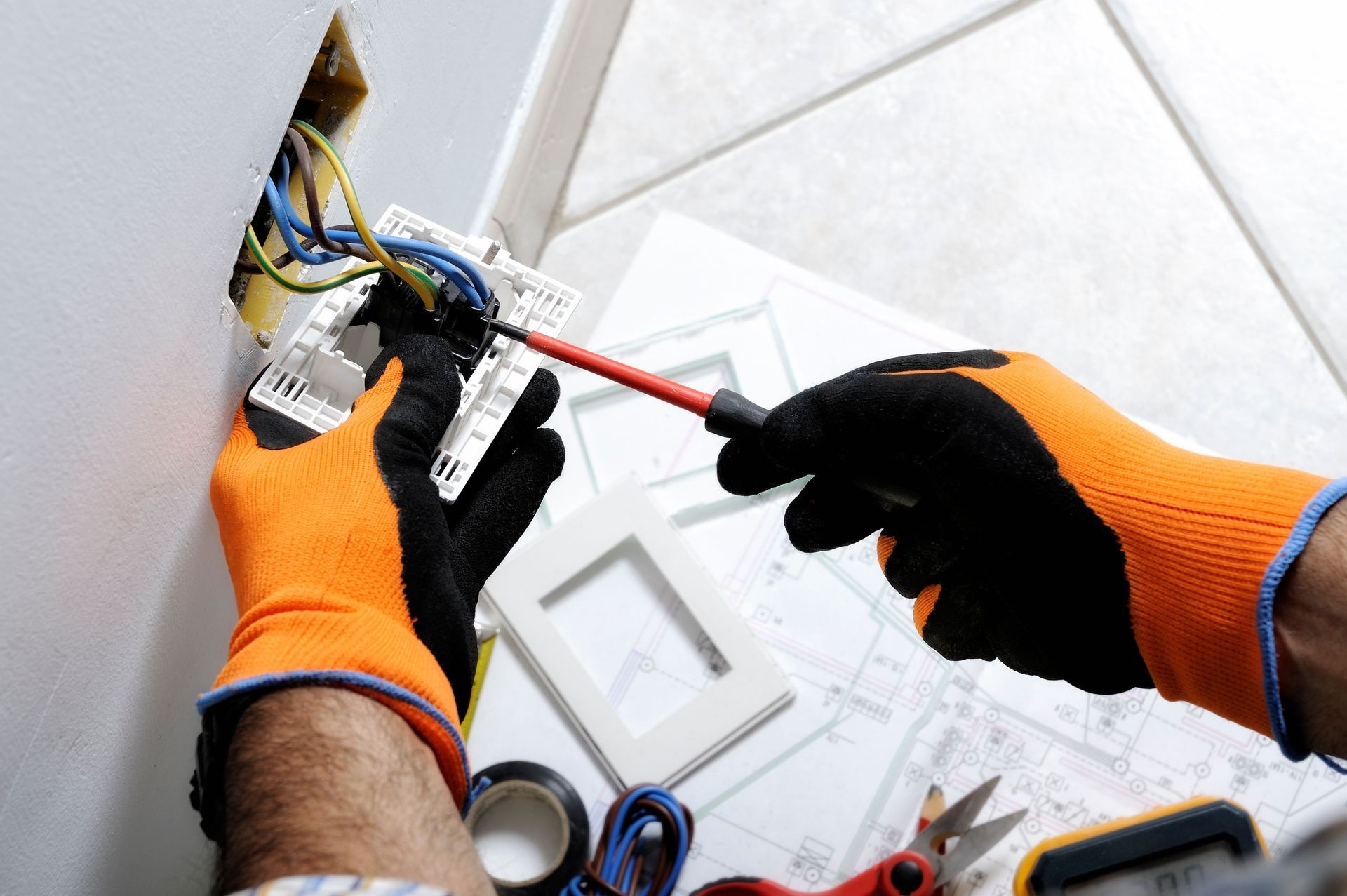
Equally important is the communication style. Remodeling projects often involve unexpected discoveries, such as outdated wiring or hidden structural issues. Working with a remodeling service that communicates proactively and offers practical solutions can help prevent frustration and costly delays. Consistent updates and openness to questions can make the process far less stressful. Trust, clarity, and professionalism are key indicators that you are making the right choice.
What Budget Considerations Should You Keep in Mind?
Budgeting is a foundational element of any home remodel. Before contacting a remodeling service, homeowners should establish a realistic financial range that accounts for both expected and unexpected costs. Renovations often uncover hidden issues behind walls or under floors, making contingency funds an essential part of the budget. Setting aside an additional percentage for unforeseen repairs can prevent financial stress once construction is underway. This approach also allows homeowners to make necessary adjustments without compromising the overall quality of the project.
When discussing pricing with a remodeling service, it’s important to understand how estimates are structured. Some companies provide fixed-price contracts, while others use cost-plus models that adjust based on materials and labor. Knowing how pricing works helps you avoid surprises later in the project. Requesting a detailed breakdown of costs can offer greater transparency and make it easier to compare proposals. Clear documentation ensures both parties share the same expectations throughout the renovation.
Long-term value should also factor into budget decisions. While it may be tempting to cut corners to save money upfront, lower-quality materials or rushed workmanship can lead to repairs down the line. Investing wisely in durable materials and skilled labor through a reputable remodeling service often results in better performance and fewer maintenance issues over time. Thoughtful budgeting can also improve energy efficiency and comfort, delivering savings well beyond the initial renovation.
Which Areas of the Home Offer the Best Return on Investment?
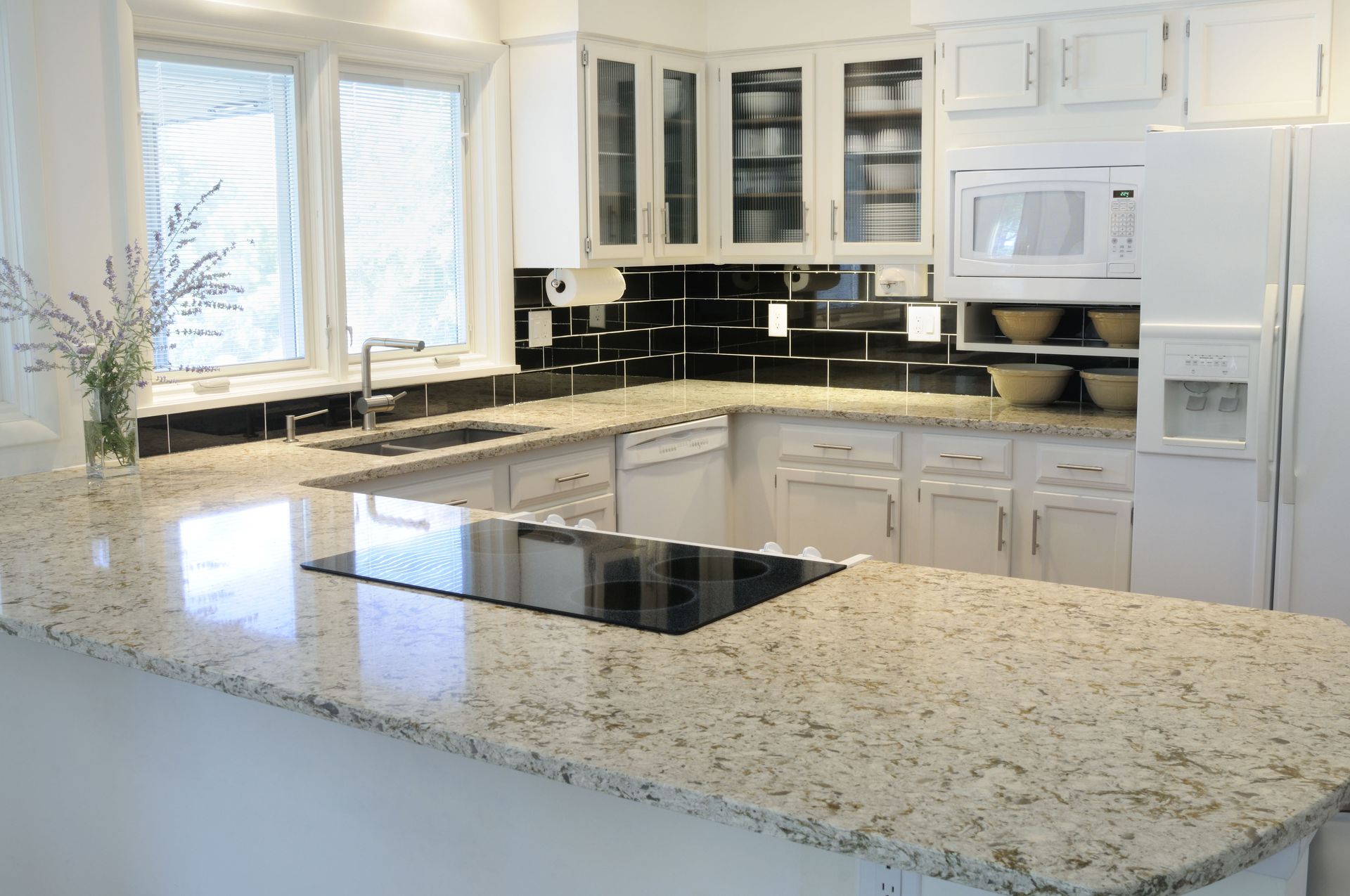
Not all remodeling projects deliver the same financial returns. Understanding where to focus your resources can help maximize the value of your investment. Kitchens, bathrooms, and main living areas consistently rank among the most valuable upgrades, particularly when improvements balance aesthetics with functionality. These spaces tend to influence daily living the most, making them a practical focus for renovation efforts. Thoughtful updates in these areas can improve both usability and overall home appeal.
According to Architectural Digest, remodeling projects boost your return on investment by an average of 69 percent, highlighting the financial potential of well-planned renovations. Working with an experienced remodeling service can help you identify which updates are most likely to appeal to future buyers while still meeting your current needs. Professional insight can prevent over-improving areas that may not yield proportional value. This balanced approach helps ensure renovations remain financially sensible.
Energy-efficient upgrades, such as improved insulation, modern windows, and efficient appliances, can also enhance ROI by reducing long-term utility costs. A knowledgeable remodeling service can guide you toward improvements that not only look good but also perform well over time. These upgrades often appeal to buyers seeking lower operating expenses and modern conveniences. By prioritizing high-impact areas, homeowners can make strategic decisions that support both comfort and resale value.
How to Prepare Your Home for a Remodeling Project?
Preparation plays a significant role in keeping a remodeling project on track. Before work begins, homeowners should take steps to protect their belongings and minimize disruptions to daily life. Clearing work areas, removing furniture, and securing valuables help create a safer and more efficient environment for the remodeling service.
Clear communication is equally important during this phase. Establishing expectations regarding work hours, access points, and noise levels can reduce stress throughout the project. A professional remodeling service will often guide how to prepare your home, including recommendations for temporary kitchen setups or alternative living arrangements if necessary.
It’s also wise to notify neighbors in advance, especially for large-scale renovations that may involve increased noise or construction traffic. Proper preparation fosters cooperation and helps the remodeling service work more efficiently, ultimately contributing to a smoother renovation experience.
What Design Trends Should You Consider?
Design trends play a powerful role in shaping the look and feel of a remodeled home. While it’s important to choose styles that reflect personal taste, incorporating timeless elements can help prevent the space from feeling outdated too quickly. Neutral color palettes, natural materials, and clean lines continue to dominate modern design preferences. These elements create a versatile foundation that can easily adapt to changing décor over time. This approach allows homeowners to refresh a space without committing to frequent major updates.
Open-concept layouts remain popular, particularly in homes where improved flow and natural light are priorities. A skilled remodeling service can help determine whether removing walls or reconfiguring layouts is structurally feasible and beneficial. Thoughtful layout changes can make spaces feel larger and more connected. Smart home technology, including automated lighting and climate control, is another trend that blends convenience with long-term appeal.
Sustainability is also influencing design choices. Many homeowners are opting for eco-friendly materials, water-saving fixtures, and energy-efficient systems. An experienced remodeling service can recommend products and layouts that align with these goals while maintaining visual appeal. Sustainable upgrades often contribute to lower utility costs and improved indoor comfort. Balancing current trends with classic design principles helps create a space that remains attractive and functional for years to come.
Investing in a home remodel is a major decision that requires thoughtful consideration and careful planning. From selecting the right remodeling service to establishing a realistic budget and understanding where renovations deliver the most value, each factor plays an important role in the project’s success. Preparation, clear communication, and informed design choices further contribute to a positive experience. With the right approach and professional guidance, a
remodeling service can help transform your home into a space that is both more enjoyable to live in and more valuable over time. If you're looking to remodel your home, reach out to the professionals at House Doctors Handyman Service Co. today!