By Doug Parker
December 3, 2025
In today's fast-paced world, homes need to evolve alongside our changing lifestyles. Remodeling can uncover hidden issues that may be quietly affecting your comfort, efficiency, and overall quality of life. Through thoughtful upgrades, remodeling services provide solutions that go beyond appearances, addressing both functional and structural needs while enhancing your home’s value.
From energy efficiency to safety improvements, remodeling offers numerous opportunities to correct problems you may not have realized existed. Let’s explore six ways remodeling can improve your home in ways that make everyday life more comfortable, healthier, and enjoyable.
1. Enhance Energy Efficiency
Improving energy efficiency reduces utility costs and supports environmental sustainability. By upgrading insulation and sealing leaks or drafts, homeowners create a robust barrier against heat loss in the winter and heat gain in the summer. These changes not only reduce energy consumption but also maintain consistent indoor comfort throughout the year.
Installing energy-efficient windows, LED lighting, and smart thermostats further optimizes your home’s performance. These adjustments lower energy usage while adding modern convenience. Even small improvements, like sealing gaps around doors and vents, contribute to a more sustainable home. Incorporating these strategies through professional remodeling enhances both comfort and value, making your living space more environmentally responsible.
When combined with other efficiency upgrades, these enhancements can improve your home’s market appeal. According to HomeGuide, remodeling projects can return 50% to 85% on investment, demonstrating that energy-saving improvements are financially smart as well as environmentally beneficial.
2. Improve Home Functionality
Functional living spaces are increasingly important in modern homes. Open-plan designs encourage social interaction, provide spacious layouts, and allow for flexible use of rooms. Remodeling services can remove unnecessary walls or reconfigure layouts, transforming your home into a space that better suits your lifestyle.
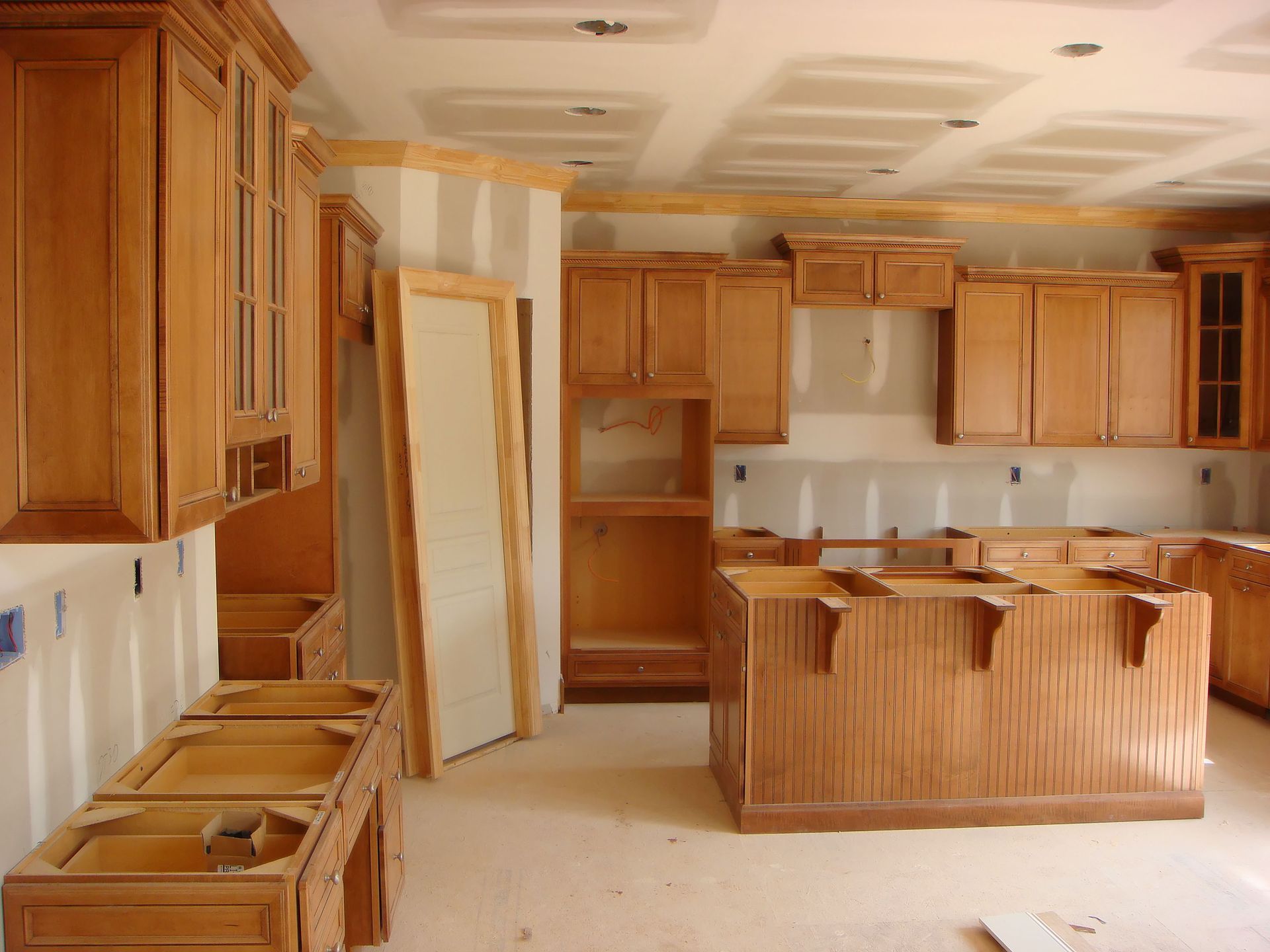
Maximizing kitchen and storage areas is another way remodeling improves daily convenience. Pull-out shelves, tall cabinets, and multi-purpose furniture ensure every inch of your home is utilized efficiently. Custom-built furniture can also be designed to meet your unique needs, balancing style and functionality seamlessly.
As remote work and multi-use rooms become standard, enhancing home offices or adaptable spaces becomes critical. Remodeling services can integrate technology, ergonomic furniture, and versatile layouts, improving your home’s usability while increasing its long-term value and appeal to potential buyers.
3. Boost Indoor Air Quality
Indoor air quality directly affects health and comfort, making it a priority in any remodeling project. Modern ventilation systems help circulate fresh air, remove pollutants, and maintain optimal humidity levels, reducing allergens and improving overall well-being.
Choosing low-VOC materials, such as paints and adhesives, further supports a healthy living environment. Installing air purifiers and incorporating greenery, like living walls, naturally filter the air, while maintaining HVAC systems ensures consistent performance. Remodeling that focuses on air quality can have a long-lasting positive impact on health and home value.
Healthy homes not only improve day-to-day comfort but also appeal to buyers. By integrating these upgrades, you create a safer, more enjoyable living environment that meets modern standards for wellness and sustainability.
4. Elevate Aesthetic Appeal
Remodeling allows homeowners to refresh their living spaces and redefine style in meaningful ways. Updating color palettes, fixtures, and flooring can completely transform the mood and appearance of a room, shifting it from outdated to contemporary almost instantly. From installing sleek light fixtures to incorporating statement floors in hardwood or luxury vinyl, each choice enhances the home’s character, depth, and visual appeal. These upgrades also create a more cohesive atmosphere, allowing you to blend your personal design preferences with modern trends.
Artistic elements, such as furniture, décor, molded trim, or curated artwork, add layers of personality and help tell the story of your home. Custom shelving, accent walls, and thoughtful lighting design can further elevate focal points and make each space feel intentionally crafted. Even exterior enhancements—landscaping, updated siding, refined paint selections, or upgraded entryways—significantly improve curb appeal and establish a welcoming look from the outside in. Remodeling can guide these design decisions to ensure every detail works together, creating a polished aesthetic across your entire property.
These visual upgrades often increase long-term marketability. A well-designed home with modern finishes stands out in competitive real estate markets, drawing more interest from prospective buyers. Attractive, updated spaces not only photograph well but also leave a strong impression during showings, potentially leading to higher resale value and faster offers.
5. Increase Home Value
Strategic remodeling investments, particularly in kitchens, bathrooms, and additional living spaces, significantly raise your property’s resale value. Buyers are consistently drawn to updated spaces that feel modern, functional, and move-in ready. High-quality appliances, heated floors, contemporary cabinetry, and well-planned layouts elevate these essential rooms, making them standout features that enhance both usability and visual appeal. When these areas are thoughtfully redesigned, they can dramatically influence buyer perception and increase the overall worth of your home.
Adding finished basements, attics, or home extensions maximizes usable square footage, creating new living zones that appeal to growing families or buyers looking for flexible space. Exterior improvements, such as upgraded siding, refreshed landscaping, or modern entryways, improve curb appeal and set the tone for what buyers can expect inside. Smart home upgrades—including security systems, automated lighting, and energy-efficient features—further contribute to perceived value, offering both convenience and long-term savings.
Focusing on craftsmanship and durable materials ensures that improvements last for years while reducing the likelihood of costly maintenance down the line. Upgrades completed with quality in mind retain their appeal longer and hold value even as design trends evolve. These enhancements not only improve daily living for current residents but also strengthen the home’s position in a competitive market, making remodeling a smart financial decision for homeowners planning ahead.
6. Augment Safety and Accessibility
Safety and accessibility are critical components of any home remodel, especially as households evolve and long-term functionality becomes a priority. Features like grab bars, ramps, widened doorways, and slip-resistant flooring enhance mobility and reduce the risk of accidents for residents of all ages. Improved lighting—both ambient and task-focused—can make hallways, staircases, and entryways safer to navigate. Remodeling services can also incorporate essential electrical updates, ensuring that wiring, outlets, and panels meet modern codes and reduce fire hazards. When paired with smart security systems, such as automated locks or exterior cameras, these electrical improvements help create a safer, more secure environment for everyone in the home.
Structural reinforcements and repairs also play an important role in long-term safety. Addressing issues like weakened beams, aging foundations, or compromised roofing ensures that your home remains stable and resilient against everyday wear or severe weather. These upgrades not only protect the physical integrity of your home but also make it more inclusive and appealing to a wide range of potential buyers, including families with young children and seniors planning to age in place. Thoughtful adjustments, such as accessible bathroom layouts, barrier-free showers, or lower countertop heights, can make daily tasks easier for individuals with mobility challenges, increasing comfort and independence.
By integrating these improvements, homeowners can create spaces that accommodate everyone comfortably, making the home both secure and highly functional. Remodeling services can help strike the perfect balance between aesthetics and safety, ensuring that practical upgrades blend seamlessly with the home’s existing style. When safety and accessibility are prioritized during a remodel, the result is a living environment that feels welcoming, adaptable, and supportive for years to come.
Remodeling is far more than a cosmetic update—it addresses hidden issues that impact efficiency, health, safety, and your overall quality of life. From boosting energy performance and improving functionality to enhancing air quality, aesthetics, home value, and safety, remodeling services offer meaningful solutions that make your home more comfortable, efficient, and enjoyable. To start transforming your space with these benefits in mind, contact us at House Doctors Handyman Service Co today.